Spreadsheets vs Renters Reform Act
Are spreadsheets still enough to manage a modern rental portfolio in today’s increasingly regulated property market? For many landlords and estate agents, the answer is quickly becoming no.
On this page
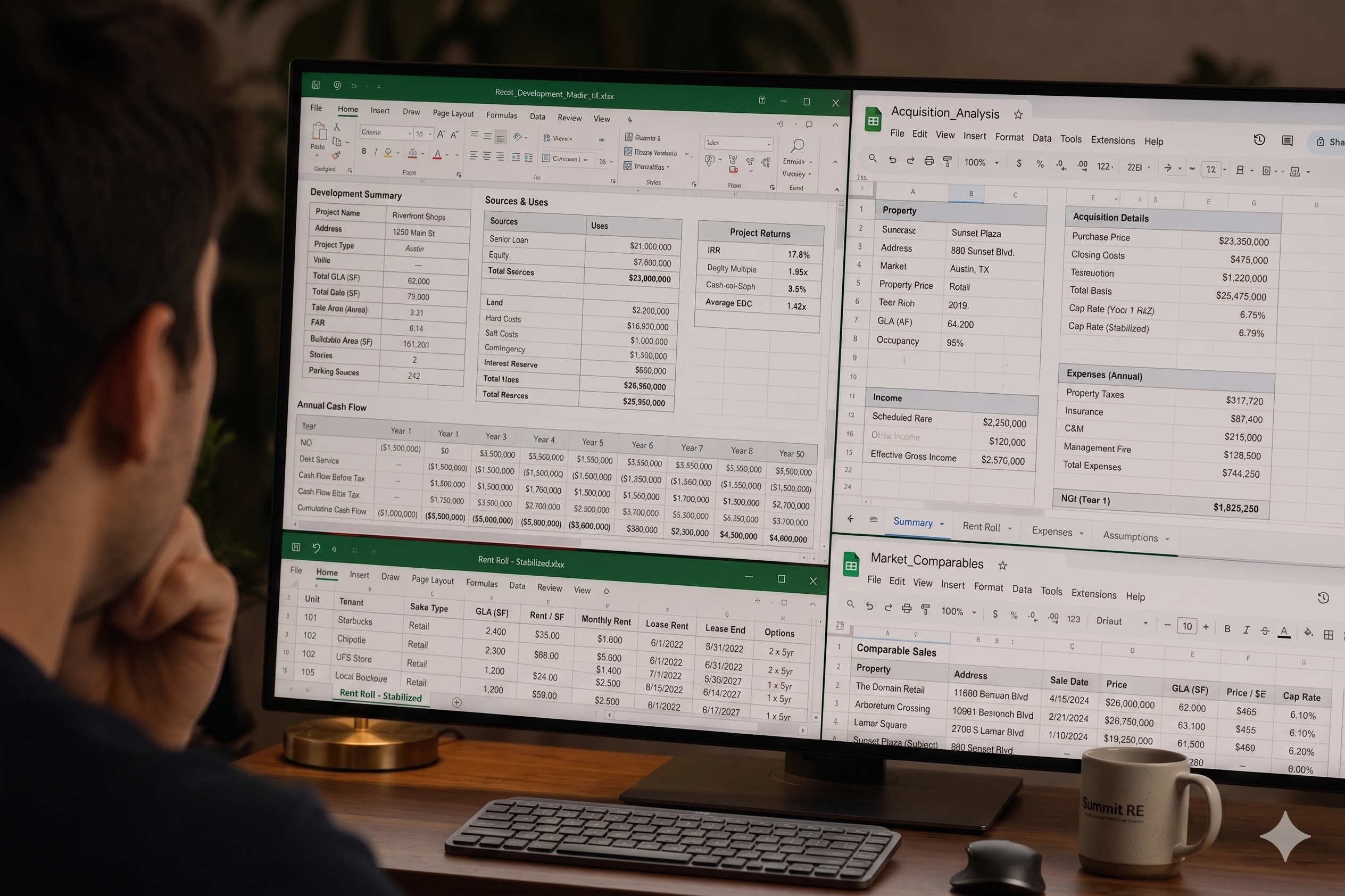
For many landlords and estate agencies, spreadsheets have long been the default way to manage property portfolios. One spreadsheet for compliance. Another for maintenance. Another for rent collection.
And for a long time, that worked.
When portfolios were smaller and regulation was lighter, spreadsheets were often enough to keep things moving. But on May 1st, 2026, everything changed forever. With the full implementation of the Renters’ Rights Act 2026, the administrative margin for error has effectively vanished. What used to be a minor clerical mistake is now a potential £30,000 fine or a lost possession claim.
If you are still relying on fragmented spreadsheets to manage your portfolio, you aren't just organized - you’re exposed. Here is why the spreadsheet era has reached its breaking point.
From "Passive Tracking" to "Proactive Compliance"
In the post-Renters’ Rights Act world, an estate agency’s value isn't just in finding a tenant; it’s in guaranteeing compliance.
Relying on spreadsheets is a "reactive" strategy. You only find out something is wrong when you check the file. Modern property management requires a proactive system, one that blocks a tenancy from starting if a certificate is missing and provides a legally-admissible audit trail for the courts.
The £7,000 Information Gap
The Act introduced a mandatory Government Information Sheet that must be served to every tenant. Fail to do it? You’re looking at a fine of up to £7,000. Agencies and landlords have until May 31, 2026, to ensure all existing tenants received this documentation.
The Spreadsheet Trap: Spreadsheets are passive. They don’t tell you when you’ve missed a deadline; they just sit there. When you’re juggling multiple properties, it’s all too easy for a "Sent" cell to remain empty or for a copy-paste error to lead to the wrong document being sent. Modern property management requires a "Proof of Service" certificate - something Excel simply can’t generate.
PRS Database Integration
The introduction of the Private Rented Sector (PRS) Database has significantly heightened regulatory expectations. Landlords and agents are now legally obligated to maintain up-to-date compliance records within this centralized government portal.
Using spreadsheets necessitates "double-entry". Manually inputting data into your internal files and then replicating that data on the government portal. This process is not only inefficient but creates a high probability of data mismatch. Under the 2026 Act, providing inconsistent or "misleading" information to the regulator can lead to banning orders or significant financial penalties.
Record Keeping Is More Important Than Ever
The abolition of Section 21 "no-fault" evictions has removed the safety net for landlords. Every possession claim must now be pursued via Section 8, requiring specific grounds and, crucially, an unshakeable burden of proof.
In a tribunal or court setting, a spreadsheet is considered a "low-integrity" document. Because cells can be edited, deleted, or backdated without a trace, they often fail to meet the standard of evidence required to prove a tenant was served the correct documents or that arrears were tracked accurately over time. Without an automated, timestamped audit log, an agency's ability to defend a landlord's interests is severely compromised.
Spreadsheets Still Have Their Place
Spreadsheets remain highly valuable tools for financial forecasting, budgeting, reporting, and portfolio analysis. Many successful property businesses continue to use them for these purposes.
The challenge arises when spreadsheets become the primary operational system for managing compliance, maintenance, communication, and tenancy administration across an entire portfolio.
Time to Level Up
The Renters’ Rights Act 2026 was designed to increase transparency and accountability.
To thrive in this environment, landlords and estate agents must move beyond the grid. Moving to a centralized, compliant-focused platform is no longer just an operational upgrade. It is a strategic necessity to protect your portfolio and your reputation in a high-stakes market.
Run your rentals with Landy
UK property management software for landlords, estate agents, and tenants. Property records, tenancies, documents, and issue tracking.